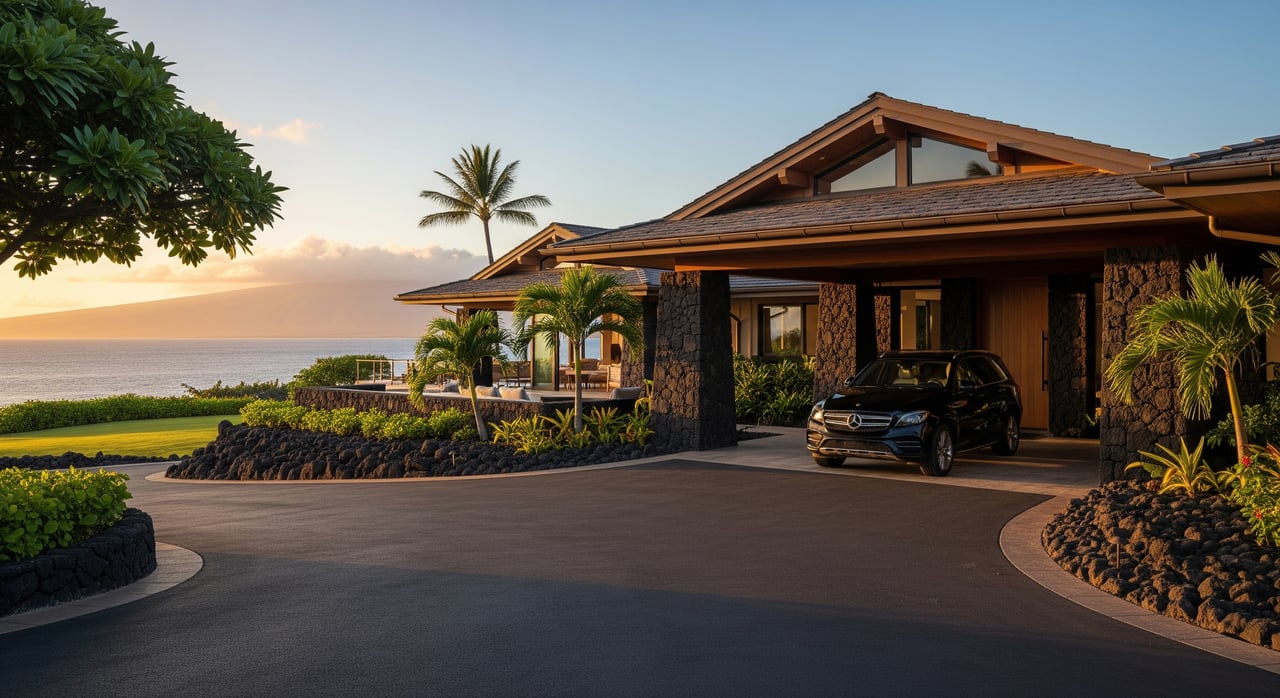
Flying into the Big Island should feel like the start of your vacation, not a logistics puzzle. If you own at Mauna Lani or visit often, a few smart choices before and after you land can make your arrival smooth and stress free. You want to get from the plane to Puako with minimal stops, stock the fridge, and start enjoying the coast. This guide gives you clear airport options, drive routes, transport strategies, provisioning tips, and an easy checklist you can save for every trip. Let’s dive in.
Best airport for Mauna Lani
Most Mauna Lani owners arrive through Ellison Onizuka Kona International Airport at Keahole (KOA). It is the closest commercial airport to the resort area and typically the easiest choice.
- KOA to Mauna Lani or Puako: plan on roughly 20 to 40 minutes by car depending on traffic and exact property location. Use a mapping app on arrival for a current ETA.
- Hilo International Airport (ITO): this is on the island’s east side and usually best if your plans include time in Hilo. Expect about 1.5 to 2.5 hours by car to Mauna Lani depending on route and conditions.
- Interisland itineraries: if you connect through another island, schedule buffers for baggage transfer and potential delays between flights.
Drive times and routes
From KOA, you will head north on Queen Ka‘ahumanu Highway (HI‑19). It is a coastal highway with varying speed limits and passing lanes.
- Primary route from KOA: take HI‑19 north toward Waikoloa and Mauna Lani. Traffic can slow near commercial centers, especially around Kailua‑Kona and Waikoloa.
- From Hilo: the most direct cross‑island link is Daniel K. Inouye Highway, also called Saddle Road (Route 200), then connect to HI‑19 to reach the coast. Weather and visibility across the saddle can vary, so check conditions.
- Night travel: lighting can be limited along coastal and mountain stretches. If you can, plan arrivals during daylight for easier navigation.
- Cell service: coverage is generally good along the Kona coast, but it can be spotty in rural or higher‑elevation areas. Save directions or download offline maps before you drive, especially if you arrive late.
Ground transport options
Most owners prefer a rental car for flexibility between the resort, beaches, golf, and dining.
- Rental cars: book well in advance for holidays or peak periods. Compact cars are easy to park and economical. SUVs offer more ground clearance if you plan to explore higher elevations or rougher roads.
- Pickup logistics: KOA has on‑site rental counters and some off‑site shuttles. Confirm your pickup and return details when you reserve.
- One‑way policies: if your plans include a different airport or island, check restrictions and fees before booking.
- Taxis and private transfers: taxis are available at KOA. For a longer coastal ride, fares can add up, so consider arranging fixed‑rate transfers in advance if you prefer not to drive.
- Ride‑share: Uber and Lyft availability varies by area and time. You will find more drivers in Kona town and fewer in remote or resort areas. Check the app when you land.
- Long‑term parking: if you own a personal vehicle on island, review KOA’s long‑term parking rules and security. Many owners still choose rentals during visits rather than leaving a car at the airport.
Grocery and provisioning
A smooth arrival often comes down to a stocked kitchen. The North Kona and Waikoloa corridor has a mix of full‑service supermarkets, smaller specialty markets, and resort shops.
- Quick essentials: resort markets carry basics like water, snacks, toiletries, and sunscreen, though prices can be higher.
- Big grocery runs: plan a stop in Kailua‑Kona or Waikoloa for larger supermarkets. This is easiest if you arrive before evening, since some stores close earlier than mainland hours.
- Order ahead: many owners preorder groceries online for pickup or delivery, depending on store options in Waikoloa and Kona. Availability varies by chain and location, so confirm coverage and delivery windows for your exact address.
- Concierge or property manager: a one‑time provisioning service can stock the pantry before you arrive. Coordinate delivery times and access instructions.
- Shipping supplies: for non‑perishables, consider shipping via national carriers and allow extra transit time. Amazon also delivers to Hawai‘i, though delivery times and fees can be longer and some items are restricted.
Recommended pre‑arrival items to ship or order:
- Consumables: coffee and filters, tea, bottled water if preferred, breakfast staples, and basic condiments.
- House supplies: paper towels, dish soap, laundry detergent, toilet paper, trash bags. Ask your property manager about preferred brands or quantities.
- Specialty items: reef‑safe sunscreen, insect repellant, and any favorite cooking oils or seasonings.
Timing and documents
Give yourself enough time at the airport and keep your paperwork handy.
- Check‑in timing: for domestic flights into or out of KOA, arrive at least 60 to 90 minutes before departure. Increase to 2 hours during peak periods. Follow your airline’s guidance for international flights, often 2 to 3 hours.
- Interisland flights: aircraft size and schedules vary. Allow extra time for checked bags and connections.
- ID and access: carry a government‑issued photo ID, and keep property access details, reservation confirmations, and local contact numbers within easy reach.
Local rules to know
A few Hawai‘i‑specific rules help you avoid delays and protect the islands.
- Agricultural restrictions: do not pack fresh fruits, vegetables, plants, or soil. Hawai‘i and federal rules strictly limit agricultural imports. If you are unsure, declare items on arrival to avoid fines.
- Reef‑safe sunscreen: Hawai‘i restricts sunscreens with certain ingredients to protect coral reefs. Bring reef‑safe options for all ocean activities and check current state rules before you travel.
- Time zone: Hawai‘i Standard Time does not observe daylight saving time. Confirm meeting times and flight connections, especially in spring and fall.
- Weather: the Kona side is generally sunnier and drier than the Hilo side, but trade winds, afternoon showers, and seasonal systems can affect driving. During hurricane season, June through November, build flexibility into your plans.
Night arrivals and safety
If you land after sunset, a little prep goes a long way.
- Save directions and a backup route before you leave the terminal.
- Confirm after‑hours check‑in details and lockbox or keypad codes with your property manager.
- Keep a small flashlight or phone light handy for gate entries and path lighting.
- Top off fuel if the gauge is low. Stations can be spaced out along the coast at night.
Stress‑free arrival checklist
Use this quick list to plan like a seasoned owner.
Before you fly
- Confirm flight times and build buffers for connections, especially if interisland.
- Reserve a rental car early and choose a vehicle that fits your passengers and luggage.
- Notify your property manager or concierge of your arrival time and flight numbers.
- Preorder groceries for pickup or delivery, or schedule a provisioning service.
- Verify what you can ship to the property. Avoid sending perishables or plants.
- Pack reef‑safe sunscreen, chargers, medications, and printed access instructions with emergency contacts.
Arrival day at KOA
- Check real‑time traffic and set your route on HI‑19 toward Mauna Lani.
- Pick up your rental car. Confirm return location, refueling policy, and shuttle details if applicable.
- For late arrivals, confirm after‑hours check‑in steps and access codes. Keep the number for your property manager handy.
- If you need groceries immediately, stop in Kailua‑Kona or Waikoloa for a full‑service store. Keep an eye on store hours.
During your stay
- Note local trash and recycling schedules provided by your property manager.
- Store reef‑safe sunscreen near the door or beach bag so guests remember it.
- Keep a short restock list for mid‑stay runs or a quick delivery.
Smooth departure checklist
- Confirm your flight time and allow extra time for check‑in and security.
- Top off fuel and return your rental car following posted signs to the correct terminal or shuttle stop.
- Dispose of perishables and follow property manager instructions for trash and recycling.
- Double‑check chargers, medications, and valuables. Pack any unopened supplies for next time.
Work with a local expert
Owning on the Kohala Coast is all about time well spent. When you plan the travel side with the same care you give to your home, you arrive relaxed and ready to enjoy Puako’s beaches, Mauna Lani’s clubs, and your favorite dining spots. If you want guidance on resort neighborhoods, turn‑key listings, or local vendor referrals for provisioning and management, connect with Deborah Thompson for boutique, hands‑on advice. Let’s Connect.
FAQs
Which airport should I use for Mauna Lani?
- KOA is usually the best choice for Mauna Lani and Puako, with typical drive times of about 20 to 40 minutes depending on traffic and exact location.
How long is the drive from KOA to Puako?
- Expect roughly 20 to 40 minutes by car, using Queen Ka‘ahumanu Highway (HI‑19) north from the airport.
Do I need a rental car at Mauna Lani?
- A rental car is highly recommended for flexibility; taxis and ride‑share exist but are less convenient and can be limited in resort areas.
Can I get groceries delivered to my Mauna Lani home?
- Often yes, but coverage varies by store and address; many owners use online pickup, delivery, or a property manager provisioning service.
What items are restricted when flying to Hawai‘i?
- Do not bring fresh fruits, vegetables, plants, or soil; if unsure, declare agricultural items on arrival to avoid delays and fines.
Is reef‑safe sunscreen required on the Big Island?
- Hawai‘i restricts certain sunscreen ingredients; bring reef‑safe sunscreen for ocean activities and check current state rules before you travel.