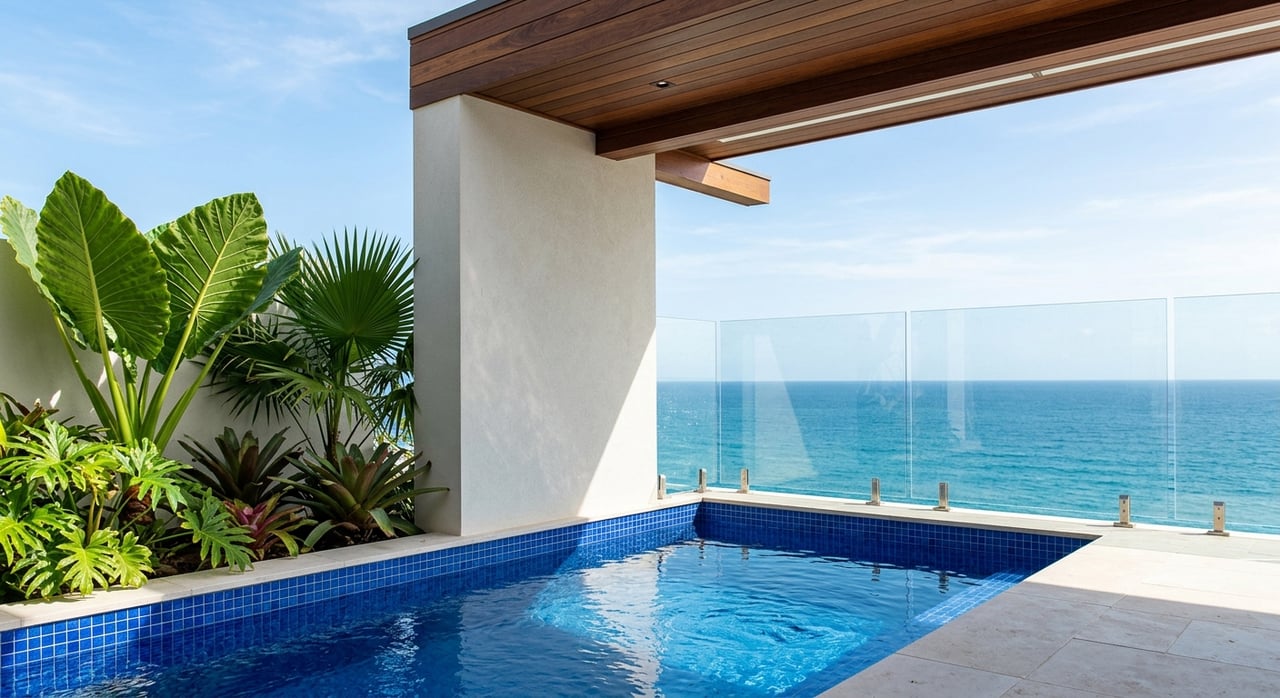
Kailua Kona Neighborhoods Guide for Ocean Living
If your idea of home includes salt air, quick beach access, and a daily view of the Pacific, Kailua-Kona gives you more than one way to live that dream. The coastline here is not just a single neighborhood or one beach scene. It is a connected stretch of communities, each with its own rhythm, from lively in-town blocks near Kailua Bay to quieter pockets near Keauhou and the coffee-country slopes above the water. If you are trying to decide where your ocean lifestyle fits best, this guide will help you compare the key areas and what living near them can feel like. Let’s dive in.
One of the best ways to understand Kailua-Kona is to see it as an ocean-lifestyle corridor instead of a single town center. According to GoHawaii’s Kona overview, the district blends bright blue water, resorts, coffee experiences, and historic and cultural landmarks along the coast.
That connected feel becomes especially clear along Aliʻi Drive and the Royal Footsteps Along the Kona Coast scenic byway. This seven-mile stretch runs from Historic Kailua Village through Keauhou, linking many of the places ocean lovers care about most, including Kailua Bay, surf spots, snorkeling access, and waterfront scenery.
For you as a buyer, that means your decision often comes down to how you want to enjoy the water. You may want walkability and town energy, easy snorkeling access, surf culture, resort-style surroundings, or a higher-elevation home base with quick access back down to the coast.
If you want the most walkable part of Kailua-Kona, Historic Kailua Village is the natural starting point. GoHawaii describes it as the heart of the Kona Coast, about 15 minutes south of Kona airport, with Aliʻi Drive serving as the main artery for shops, restaurants, and historic sites.
This area puts you close to well-known landmarks like Huliheʻe Palace, Mokuʻaikaua Church, Kamakahonu, Ahuʻena Heiau, and Kailua Pier. It also gives you direct access to Kailua Bay, a small swimming beach protected by the pier in the center of town.
From a lifestyle standpoint, this is the best fit if you picture yourself leaving the car parked and enjoying a more town-centered ocean routine. You can move from the waterfront to dining, historic sites, and local events with relative ease, then stay out into the evening when the village shifts into a more casual nightlife scene with local food, live music, and activity after sunset.
Current market examples in the research also suggest a broad range of housing here, including condos and smaller in-town homes. That makes Historic Kailua Village one of the more flexible options if you want coastal access without necessarily stepping into the highest end of the market.
Historic Kailua Village may suit you if you want:
If your version of ocean living includes more wave energy, the Aliʻi Drive corridor south of the village deserves a close look. This stretch includes the Banyans area and Laʻaloa, also known as Magic Sands, and it highlights a different side of Kona's shoreline.
GoHawaii’s surfing guide identifies Banyans as a beginner to intermediate surf spot, and it also names Kahaluʻu and Pine Trees as beginner or intermediate friendly options in the broader area. Magic Sands, just south of town, is known for surfing and bodyboarding, which gives this corridor a more active beach feel than some of the calmer water areas.
The county amenities at Magic Sands Beach Park add to its appeal, with ADA access, BBQ grills, and restrooms. If you want a neighborhood where getting to the beach can mean catching a surf session, watching bodyboarders, or spending a spontaneous afternoon by the water, this section of Kona stands out.
Real estate along this corridor can also span a wide range. The research report notes a current Aliʻi Drive single-family home around $1.3 million, while in-town condo options closer to the village can sit much lower, showing how this coastal strip offers several entry points depending on property type and exact location.
This area may be a strong match if you are looking for:
For many ocean lovers, snorkeling access is the deciding factor. In that case, Kahaluʻu and Keauhou often rise to the top of the list.
According to GoHawaii’s beaches guide, Kahaluʻu Beach Park is one of the area’s most popular snorkeling beaches and is known for honu. The county also lists amenities there that include a pavilion, BBQ pits, restrooms, and ADA access, making it a practical and popular shoreline stop.
Just nearby, Keauhou offers a quieter, more resort-oriented setting a short drive south of Historic Kailua Village. Keauhou Bay has parking, restrooms, and a boat ramp, and while it is not recommended for swimming or snorkeling because of boat traffic, it is known for nighttime manta ray activity.
This part of the coast works well if you want ocean access with a calmer residential feel than the town core. It is also one of the strongest areas to consider if you are drawn to resort condos, ocean-view homes, and a setting that balances convenience with a little more breathing room.
The pricing range in the research reflects that upscale potential. Redfin data cited in the report shows a Kahaluu-Keauhou median sale price of $912,500, while a Keauhou-area sale reached $5.399 million in April 2026, pointing to meaningful range from more accessible options to high-end ocean-view properties.
Kahaluʻu and Keauhou often appeal to buyers who want:
Not every ocean lover wants to live right on the shoreline. If you want a home base that feels more tucked away while keeping the coast within easy reach, Hōlualoa offers a different kind of appeal.
GoHawaii describes Hōlualoa as an art enclave in Kona coffee country, set on the slopes above Historic Kailua Village and Keauhou. The area is part of a broader Kona landscape with roughly 600 coffee farms, many open for tours, and the Māmalahoa Kona Heritage Corridor adds historic architecture, galleries, shrines, and farm experiences to the mix.
For lifestyle, Hōlualoa is the natural counterbalance to beachfront living. You trade direct beach frontage for elevation, a more rural artistic setting, and quick access back down to Aliʻi Drive, Kailua Village, Kahaluʻu, and Keauhou when you want time by the water.
The research suggests that larger view homes and estates become more common in these higher-elevation pockets. If your ideal property includes privacy, broader view corridors, and a more residential setting above the coast, Hōlualoa is worth serious consideration.
When you picture daily life in Kailua-Kona, the biggest difference between neighborhoods often comes down to your routine. The same coastline can support very different versions of island living.
If you want your day to start with coffee and a waterfront walk, Historic Kailua Village and the nearby Aliʻi Drive corridor may feel right. If you care more about snorkeling access, Kahaluʻu may move to the top of your list. If you prefer a resort-style environment with a quieter feel, Keauhou can offer that change of pace.
There are also small but meaningful lifestyle anchors throughout the area. The Kona Farmers Market near Aliʻi Drive and Hualālai Road adds a local touch with flowers, lei, produce, mac nuts, honey, coffee, crafts, and soaps. That kind of everyday access can shape how connected you feel to the area beyond the beach itself.
Kailua-Kona's ocean-access neighborhoods are not one-note when it comes to price point or property type. The research report cites Zillow’s typical home value for Kailua-Kona at $885,040 as of March 31, 2026, with homes going pending in about 44 days.
The same report also points to listing examples that illustrate a broad spread, from a Kailua Village condo in the low $400,000s to an Aliʻi Drive home around $1.3 million, plus luxury Keauhou-area sales well above that. Taken together, the pattern is clear: this is a compact coastal corridor where condos, in-town residences, ocean-view homes, and luxury properties can all exist within a relatively short drive of one another.
In practical terms, condos and resort-style units tend to cluster closer to the town core and the Keauhou corridor. As you move into quieter higher-elevation pockets above Aliʻi Drive or toward Hōlualoa, larger homes and estate-style properties appear more often.
If you are narrowing your search, start with the lifestyle questions that matter most to you.
Ask yourself:
Your answers can quickly point you in the right direction. Historic Kailua Village is the clearest choice for walkability. Kahaluʻu stands out for snorkeling. The Banyans and Magic Sands corridor speaks to buyers who want more active beach access. Keauhou offers a quieter coastal environment, while Hōlualoa gives you coffee-country character with convenient access back to the ocean.
If you are exploring Kailua-Kona neighborhoods and want thoughtful guidance on how lifestyle, location, and property type come together, Deborah Thompson offers a refined, hands-on approach backed by deep Hawaiʻi Island market insight.
Deborah derives great satisfaction from fulfilling clients' aspirations by connecting them with their ideal homes. She endeavors consistently to cater to the requirements of both buyers and sellers.
DEBORAH THOMPSON
65-1279 KAWAIHAE RD SUITE #104 KAMUELA HI 96743