Living on Puako Beach Drive: What Daily Life Feels Like
If you picture life in Puako as one long resort beach, the reality is more interesting. Daily life along Puako Beach Drive is shaped by small shoreline entry points, quiet routines, and easy access to nearby conveniences when you need them. If you are exploring the area as a buyer or simply trying to understand the lifestyle, this guide will help you see how the coast actually works from morning coffee to sunset. Let’s dive in.
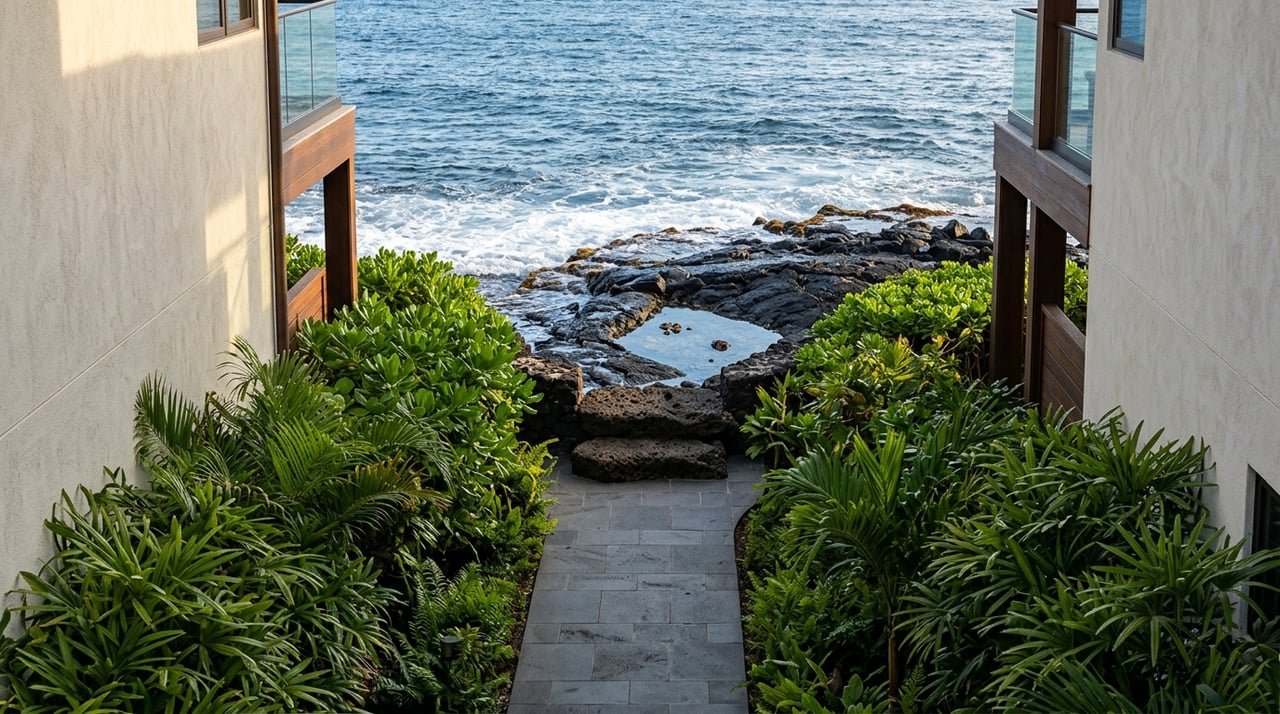
Puako Beach Drive sits on the South Kohala coast of Hawaiʻi Island, and its shoreline character is access-driven rather than highly built out. Hawaii County describes 12 separate shoreline access points along Puako Beach Drive, with small white-sand beaches and extensive tidal pools.
That setup creates a very specific daily rhythm. Instead of one large, fully serviced beach park, you have a series of places to enter the shoreline, pause, explore, snorkel, fish where allowed, or walk a segment of coast.
State shoreline guidance helps explain why these entries can feel informal. Public shoreline access is recognized as a common-law right, and some routes may feel narrow, lightly marked, or partly screened by shoreline vegetation rather than looking like a traditional park entrance.
For many people, Puako makes the most sense in the early hours. The coast is quiet, the light is softer, and a short shoreline visit can fit naturally into the start of your day.
A practical part of that routine is proximity to nearby coffee and provisions. The Market at Mauna Lani opens at 5:30 a.m. and functions as a coffee shop, cafe, and deli, which makes it an easy stop before or after a beach walk.
That detail matters more than it may seem at first. Puako itself is peaceful and lightly serviced, so nearby places for breakfast, coffee, and picnic supplies help support the lifestyle without changing its low-key feel.
One of the best-known nearby outings is Waialea Bay, often called Beach 69. According to DLNR, you reach it by turning from Highway 19 onto Puako Beach Drive, then Old Puakō Road, watching for pole markers between 69 and 70.
The road is rough but driveable, and parking is available near the beach. DLNR also notes that Beach 69 is popular with many Big Island residents, especially pristine in summer, and subject to winter erosion and stronger surf conditions.
Because Beach 69 is a Marine Life Conservation District, the setting feels scenic and protected. DLNR says there are no lifeguards and no facilities, but the gradual drop-off and reef habitat make it popular for snorkeling and scuba.
This is a good example of the broader Puako lifestyle. The reward is strong natural beauty and marine access, but the experience is modest and self-directed rather than resort-staged.
By midday, Puako gives you choices depending on what kind of outing you want. You can stay close to the shoreline for a short visit, or you can shift into the nearby resort corridor for a more structured beach or errand run.
The county’s South Kohala shoreline guide shows that Puako access points are used for swimming, kayaking, surfing, hiking, and fishing with restrictions. At the same time, the guide is clear that the shoreline trail is not continuous along the entire coast.
That means your day often unfolds in segments. You may visit one access point for a swim, another for tide pools, and then head elsewhere if you want restrooms, showers, or a picnic setup.
If you are comparing Puako with a more serviced beach experience, nearby Hapuna Beach State Recreation Area is the clearest contrast. Hawaii County notes that Hapuna offers parking, pavilions, picnic areas, showers, restrooms, and lifeguards.
That difference is useful for buyers to understand. Puako offers an intimate shoreline experience, while Hapuna is a stronger fit when you want a longer beach day with more infrastructure.
For some homeowners, that contrast is part of the appeal. You can enjoy the quiet rhythm of Puako most days, then choose a more fully equipped beach when the plan calls for it.
Not every outing needs to center on surf and sand. The county guide points to Holoholokai and Puako Petroglyph Parks in the Mauna Lani Resort area, where you will find parking, ADA-accessible restrooms, showers, trash cans, and an early 7:00 a.m. opening.
Kalahuipuaʻa Historic Park adds parking, restrooms, and picnic tables. These nearby places broaden the lifestyle beyond the shoreline itself and make it easier to plan a short walk, scenic break, or cultural stop without committing to a full beach day.
One of the most important things to understand about Puako Beach Drive is that access is abundant, but not polished in a resort sense. County shoreline materials note parking and also note that there are generally no facilities at these access ways.
The same sources warn about hazardous footing, currents, and waves. In practical terms, that means some entries may involve rock, uneven ground, or a careful step down to the shoreline.
For many buyers, this is not a drawback so much as a defining trait. Puako feels connected to the coast in a direct, natural way, and that is very different from a destination built around large public amenities.
A common question is whether you can walk the shoreline end-to-end. The best answer is no, not reliably.
The county says the shoreline trail is not continuous along the entire coast. State guidance around the Ala Kahakai route also reinforces that the coast is better understood as connected segments and access points rather than one uninterrupted beachfront promenade.
That pattern shapes how you live here. Walks tend to be short and scenic, with variation from one section to the next, rather than long linear strolls on a single finished path.
Evening is when Puako’s rhythm often feels most memorable. Shoreline access ways are generally open 24 hours a day unless otherwise stated, according to Hawaii County, so sunset walks can be a natural part of everyday life.
That kind of access gives the area a lived-in coastal ease. You are not necessarily planning a major outing. You may simply head down to the shoreline at the end of the day, catch the light, and be back home a short time later.
For a different evening setting, the nearby resort corridor extends the day with more organized amenities. County materials note the Mauna Lani Beach Club offers a beach-club environment oriented around surfing, stand-up paddling, snorkeling, whale watching, food, drinks, music, and beach games.
This is where the Puako lifestyle becomes especially clear. You can live in a quieter shoreline enclave while staying close to resort experiences when you want them.
Puako is quiet, but it is not cut off from everyday needs. That balance is one of its strongest lifestyle advantages.
The Shops at Mauna Lani add a compact retail hub with Foodland Farms, R. Field Wine Company, Snorkel Bobs, Tommy Bahama, and other retailers. A bit farther along, Waikoloa Beach Resort’s Kings’ Shops and Queens’ Marketplace offer a broader mix of shopping, cultural activities, live entertainment, a weekly farmers market, resort sundries, and a gourmet market.
For buyers, that convenience story matters. You can enjoy a more peaceful home base while still having access to groceries, beach gear, casual provisions, and resort-scale errands nearby.
Mauna Lani’s guest policies also list shuttle service within the Mauna Lani Resort Area among included amenities. Taken together, the area supports a local pattern of short trips instead of long, frequent cross-island runs.
If you are considering life near Puako Beach Drive, a few practical details can help you evaluate fit.
First, expect shoreline access to be frequent but informal. Parking exists at access points, but facilities are generally limited or absent, and some entries require more care underfoot.
Second, understand that nearby Beach 69 offers a rewarding natural beach experience, but it comes with a rough approach road, near-beach parking, no lifeguards, and clear seasonal differences between winter and summer conditions.
Third, think of the coastline as a series of moments rather than one continuous amenity. That pattern appeals to buyers who value quiet coastal access and do not need every shoreline experience to be fully programmed.
Finally, notice how close the resort corridor is. Coffee, groceries, beach supplies, dining, and more structured beach settings are all part of the practical orbit, which helps Puako feel relaxed without feeling remote.
If you are weighing where Puako fits within the Kohala Coast lifestyle, local perspective makes a difference. For tailored guidance on Puako and nearby resort communities, connect with Deborah Thompson.
Deborah derives great satisfaction from fulfilling clients' aspirations by connecting them with their ideal homes. She endeavors consistently to cater to the requirements of both buyers and sellers.
DEBORAH THOMPSON
65-1279 KAWAIHAE RD SUITE #104 KAMUELA HI 96743