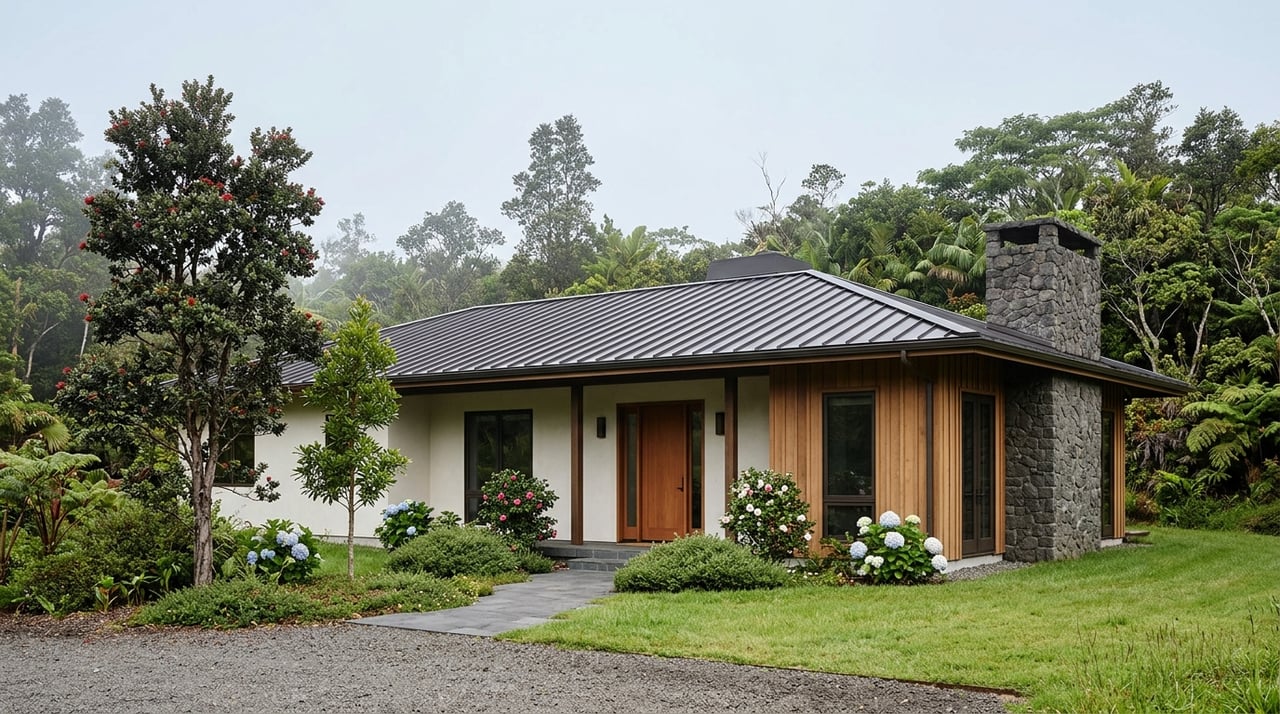
Living in Waimea Kamuela: What Daily Life Looks Like
If you want Big Island living that feels connected, grounded, and a little cooler than the coast, Waimea may already be on your shortlist. This upcountry town offers a different pace from the resort areas, with everyday essentials, open pasture views, and easy access to both North Kohala and the Kohala Coast. If you are wondering what daily life really looks like here, this guide will walk you through the basics so you can decide whether Waimea, also known by its postal name Kamuela, fits your lifestyle. Let’s dive in.
One of the first things many buyers notice is that locals often say Waimea, while mailing addresses typically say Kamuela. In practical terms, they refer to the same upcountry community in the 96743 area on Hawaiʻi Island.
Waimea sits at about 2,600 feet above sea level, inland from the Kohala Coast. That elevation helps shape the town’s feel, giving it cooler temperatures and greener surroundings than the shoreline while still keeping the ocean within reach.
Waimea has a small-town rhythm that appeals to people who want convenience without a resort setting. The town is compact, and daily errands can feel straightforward compared with more spread-out areas.
In and around town, you will find grocery and drug stores, dining options, local shops, a hospital, and arts venues. The overall experience is practical and community-oriented, with scenic pastureland and mountain views adding to the sense of place.
Waimea also has a strong historic identity tied to Parker Ranch and paniolo culture. Parker Ranch traces its roots in Waimea to 1847 and continues to emphasize stewardship and community support, which remains part of how many people understand the area today.
For many buyers, the appeal of Waimea comes down to balance. You get a town with everyday services and community anchors, but you are not giving up access to the coast.
Here are a few essentials that shape day-to-day living:
If schools are part of your home search, Waimea offers several options within town and nearby. It is helpful to confirm enrollment, district, and admissions details directly with each school, but the local landscape is fairly well established.
Waimea Elementary is a public K-5 school located on Mamalahoa Highway in Kamuela. Waimea Middle is a public conversion charter school for grades 6 through 8, also on Mamalahoa Highway.
Private school options in town include Parker School, which serves grades K through 12, and Hawaiʻi Preparatory Academy. HPA’s Village Campus is in the heart of Waimea, and its Upper School is a short drive outside town.
For broader public secondary school context, Honokaʻa High & Intermediate serves a large area that includes Waimea and Kawaihae. If public school planning is important to your move, it is worth reviewing the most current school assignment information before you buy.
A major practical advantage of living in Waimea is access to local health care. Queen’s North Hawaiʻi Community Hospital is a 35-bed rural acute care hospital in Waimea, giving the town an important medical anchor.
For many residents, that nearby access adds peace of mind and makes Waimea feel more self-contained than some smaller rural communities. If convenience matters to you, this is one of the town’s strongest everyday benefits.
Waimea has a well-known local market culture that adds energy to the week. The Waimea Town Market at Parker School runs every Saturday from 7:30 a.m. to noon and typically includes more than 50 vendors, local produce, prepared food, artisan goods, and live music.
Beyond that weekly market, the Waimea Community Association also lists the Kamuela Farmers Market, Waimea Mid-Week Market, and Kuhio Hale Farmers Market. That mix gives residents several ways to shop local during the week.
Dining is another part of Waimea’s appeal. Merriman’s Waimea has helped define the town’s farm-to-table reputation with lunch, dinner, and Sunday brunch, while the broader dining scene includes both casual and more refined options.
Waimea offers more than just practical essentials. Kahilu Theatre is a key community and cultural anchor, with a 490-seat performing arts venue and gallery space that continues to serve as an active arts center.
For buyers who want a town with year-round community life, places like Kahilu help make Waimea feel established and well-rounded. It is one of the reasons the area often appeals to people looking for more than just a scenic address.
Waimea housing is not one-note. In broad terms, the area tends to include town-core homes, homestead neighborhoods such as Lālāmilo, and larger rural or pastoral properties.
That range matters because two homes with Waimea addresses can offer very different living experiences. One may feel close to daily services and schools, while another may feel more like ranch country with a larger land setting.
Lālāmilo is one of the clearer examples of newer residential development in the Waimea area. Planning materials and development sources also show that some nearby homestead areas, such as Puʻukapu Pastoral, reflect a larger and more rural pattern.
If you are considering Waimea, it helps to think beyond price and square footage. Your day-to-day experience may depend just as much on whether you want in-town convenience, a neighborhood setting, or a more pastoral property.
Census housing data offers a useful snapshot of the area. In Waimea, the owner-occupied housing rate is 72.6%, the median owner-occupied home value is $652,900, and the median gross rent is $2,039.
The same data shows a mean travel time to work of 29.0 minutes. That supports what many buyers already sense when they look at the map: Waimea can work well for people whose routines stretch between inland living and other parts of the island.
Waimea’s location is one of its biggest strengths. From town, Kawaihae Road leads west toward Kawaihae and the Kohala Coast, while Kohala Mountain Road heads north toward Hāwī and North Kohala.
Once you reach Kawaihae, Queen Kaʻahumanu Highway connects westward toward Kona. That road network makes Waimea practical for people who want an upcountry home base while staying connected to coastal work, beaches, dining, or resort areas.
Hawaiʻi Preparatory Academy notes that Kona International Airport is about a 45-minute drive from campus. For off-island owners, frequent travelers, or buyers splitting time between Hawaiʻi and the mainland, that level of access can be a real advantage.
One of Waimea’s biggest draws is its climate. Because of the elevation, the area is generally several degrees cooler than coastal towns, which can make everyday living more comfortable for buyers who prefer an upcountry environment.
This climate contrast is especially noticeable when you compare Waimea with the Kohala Coast, which receives about nine inches of rain annually. In simple terms, Waimea offers a greener and cooler setting, while the coast delivers a sunnier shoreline experience.
That trade-off is exactly why many buyers are drawn to Waimea. You can enjoy a more temperate inland setting without feeling cut off from beaches, ocean recreation, or resort amenities farther west.
Waimea tends to work well for buyers who want a small-town base with practical services, local culture, and a more grounded residential feel. It can also be a strong fit if you value cooler weather and want to stay connected to the Kohala Coast without living in a resort environment.
You may especially appreciate Waimea if you are looking for:
Waimea and Kamuela offer a lifestyle that feels distinctly Big Island, but in a way that is practical for daily life. You get history, community anchors, local markets, and a cooler upcountry climate, all within reach of the shoreline and the broader Kohala Coast.
If you are exploring homes in Waimea or comparing upcountry living with coastal communities, local guidance can make the differences much easier to understand. For personalized insight into Waimea, Kamuela, and nearby Kohala Coast neighborhoods, connect with Deborah Thompson.
Deborah derives great satisfaction from fulfilling clients' aspirations by connecting them with their ideal homes. She endeavors consistently to cater to the requirements of both buyers and sellers.
DEBORAH THOMPSON
65-1279 KAWAIHAE RD SUITE #104 KAMUELA HI 96743