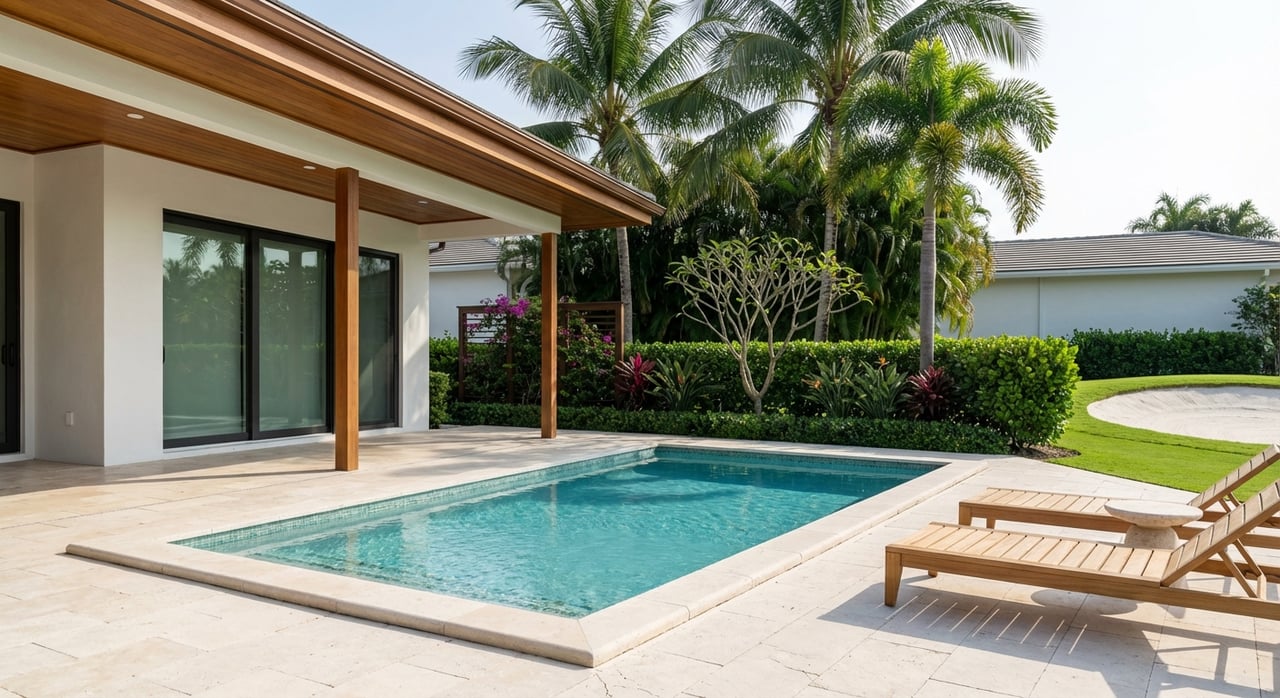
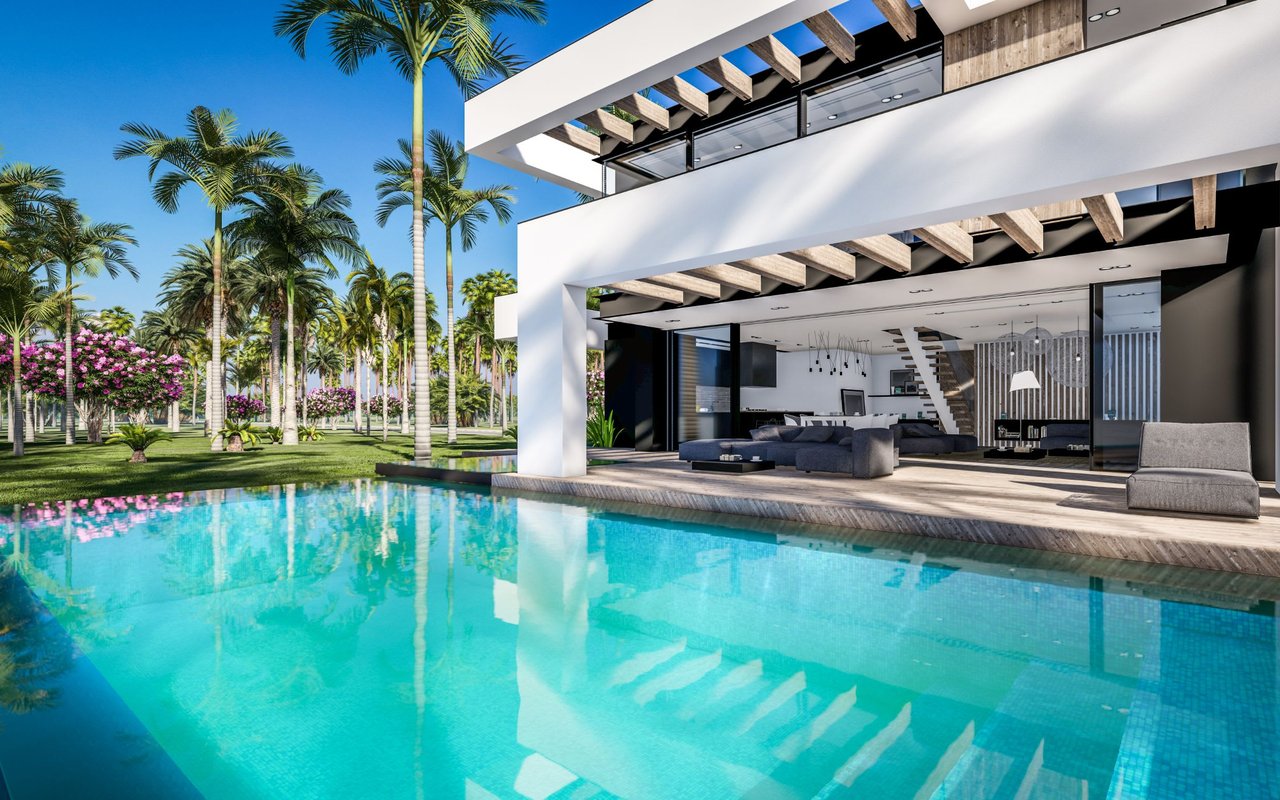
Should you wake to waves right outside your lanai or to quiet fairway views with the mountains beyond? If you are weighing Mauna Lani’s oceanfront against its golf course and interior options, you are not alone. Buyers often compare views, privacy, maintenance, rental potential, and association details before choosing. In this guide, you will get clear, practical differences to help you decide what to tour first and what to verify during due diligence. Let’s dive in.
Know the setting
Mauna Lani Resort sits on Hawaiʻi Island’s Kohala Coast. It is a master‑planned community with two championship golf courses, a private Beach Club, and several miles of shoreline managed through the Mauna Lani Resort Association, or MLRA. You can review the resort overview and governance on the MLRA’s official pages for context on amenities and common areas. Visit the MLRA overview for a clear sense of the resort footprint and services: Mauna Lani Resort Association overview.
Inside Mauna Lani, you will find oceanfront condominium communities, golf‑facing villas and townhomes, and single‑family estates. The MLRA lists each residential community and managing agent, which is helpful when researching sub‑HOAs and CC&Rs. See the official roster here: MLRA residential communities.
Note on geography: this guide focuses on Mauna Lani Resort on Hawaiʻi Island and the neighboring Puakō coastline. It is not about Maunalani Heights in Honolulu on Oʻahu, which is a different neighborhood.
Oceanfront vs. golf course: quick compare
Views and vibe
- Oceanfront: Unmatched water views with coastal sunsets depending on orientation. True ocean frontage is limited, so unobstructed outlooks often command premium pricing within the resort. Oceanfront condos like Mauna Lani Point and Mauna Lani Terrace are examples of communities prized for direct shoreline settings. You can confirm the community types on the MLRA residential communities page.
- Golf course or interior: Serene fairway vistas, larger lawns, and mountain views of Mauna Kea, Hualālai, or the Kohala range. These homes and villas typically price below comparable oceanfront floor plans, with strong appeal for quieter, landscaped settings.
Practical tip: Photograph the lanai view morning and late afternoon on tours. Confirm if nearby buildings or future parcels could affect your view over time.
Privacy and people flow
- Oceanfront: Some parcels feel very private, especially single‑family lots with direct shoreline. That said, the resort is described as an open resort with common areas that draw owners, hotel guests, and day visitors to beach paths and restaurants. Privacy can vary by building layout and proximity to public access. Review how the resort manages common spaces here: MLRA mission and overview.
- Golf course or interior: Often quieter at night. Daytime can include course maintenance activity such as mowers and carts. If privacy matters, check landscaping layers and fairway setbacks during your tour.
Beach access and shoreline rules
- Puakō coast access: North of Mauna Lani, Puakō features small public access points and tide pools. Expect nearby public access in many areas even where private lots meet the lava coastline. For a simple orientation, see this overview of Puakō Beach Park and access.
- Ownership and permits: Hawaiʻi law treats shoreline areas differently than upland private property. Shoreline certifications, setbacks, and any shoreline work permits are handled by state and county processes. Buyers should ask for certified shoreline maps and any setback determinations affecting a parcel. For background on shoreline rules and case law context, review this Hawaiʻi Supreme Court decision: Shoreline setback decision.
Maintenance and durability
- Oceanfront exposure: Salt air accelerates corrosion of metal, HVAC equipment, and exterior finishes. Expect more frequent rinsing, coatings, and repaint or reseal cycles. FEMA’s coastal construction guidance outlines why marine‑grade materials and maintenance matter on the shore. See the FEMA coastal construction manual for general best practices.
- Golf course or interior: Usually lower salt exposure and potentially longer maintenance cycles. Still budget for Hawaiʻi’s sun and moisture.
Price context
- Oceanfront generally commands a premium due to rare view corridors and immediate water access. Golf‑course and interior homes often provide value through space, privacy, and mountain views. Always rely on fresh comps within the same community type. The MLRA residential communities list is a good map for organizing apples‑to‑apples comparisons.
HOAs, MLRA dues, and amenities
Mauna Lani properties typically belong to two layers of governance. First is the MLRA, which oversees resort common areas, including roads and the Beach Club. Second is your sub‑association, such as a condo or villa HOA.
- MLRA assessments: The MLRA has historically levied a master assessment to maintain shared assets. An example figure noted on MLRA documentation is $113.67 per voting unit per month as of January 1, 2022. Always request the current schedule, any recent ballots that may change assessments, and the MLRA DC&Rs. Start here: MLRA mission and overview.
- Sub‑HOAs: Each community manages its own budget, reserves, landscaping, building upkeep, and rental policies. Ask for CC&Rs, the last three years of financials and reserve studies, house rules, transfer fees, and parking rules. Identify the correct managing agent through the MLRA residential communities page.
Short‑term rentals and taxes
Hawaiʻi County regulates Short‑Term Vacation Rentals under Bill 108 with procedural rules under Rule 23. New short‑term rentals are allowed only in specific zoning districts. Pre‑existing operations outside those districts require a Non‑Conforming Use Certificate, or NUC, that must be renewed. Before you rely on rental income, verify zoning, any existing STVR registration, or a NUC by checking the parcel’s TMK and records. The county’s official resource is here: Hawaiʻi County STVR resources.
If you rent for fewer than 180 days, Hawaiʻi requires you to register and file state taxes. Short‑term rentals are subject to the General Excise Tax and the Transient Accommodations Tax. Recent legislative changes raised the state TAT rate to 11 percent effective January 1, 2026. Build GET plus TAT, and any county surcharges, into your pro forma and confirm current rules and rates with the state. Guidance and registration are here: Hawaiʻi Department of Taxation rental guidance.
Ask this at your first showing
- What is the parcel’s TMK and zoning, and is the home eligible for STVR or covered by a NUC?
- What are the current MLRA and sub‑HOA dues, and are there planned increases or special assessments?
- Are there minimum rental terms or caps in the CC&Rs?
- For coastal properties, is there a certified shoreline map and any shoreline setback determination on file?
- What is the FEMA flood zone designation for the lot?
Coastal hazards and insurance
Oceanfront and some Puakō‑edge parcels may fall within FEMA special flood hazard areas. That can affect lender requirements and flood insurance pricing. Interior and golf‑course homes often have lower flood exposure, but you should always confirm the FEMA designation and get quotes specific to the parcel.
- Flood and wind coverage: Lenders may require National Flood Insurance Program policies or private flood options where applicable. Obtain homeowners, wind, and flood quotes early in your diligence timeline so premiums factor into your budget.
- Sea‑level rise: Use mapping tools to visualize high‑tide flooding risk over time. Start with the NOAA Sea Level Rise Viewer for local scenarios and elevations.
- Durability planning: For oceanfront maintenance expectations and material choices, see FEMA’s coastal guidance: FEMA coastal construction manual.
Buyer checklist for Mauna Lani and Puakō
- Governance and rentals
- Legal and hazards
- Shoreline certification map and any shoreline setback determinations for coastal parcels, plus permit history. See context here: Hawaiʻi shoreline case reference
- FEMA flood zone for the TMK and early quotes for structure, wind, and flood.
- Sea‑level rise scenarios for near, mid, and long term. NOAA Sea Level Rise Viewer
- Physical condition
- Recent property condition report and receipts for exterior work such as roofing, paint, lanai waterproofing, HVAC, and water heaters. For oceanfront, confirm marine‑grade materials and maintenance schedules. FEMA coastal construction manual
- Market and rental info
Your next steps
- Map your shortlist. Use the MLRA residential communities list to identify which neighborhoods match your desired setting, whether oceanfront or fairway.
- Confirm rules and dues. Contact the MLRA and the sub‑HOA for current assessments, CC&Rs, rental rules, and any planned projects. Start with the MLRA mission and overview.
- Verify STVR and taxes. Check Hawaiʻi County’s STVR resources and the state tax site for compliance steps before assuming rental income.
- Stress test risk and upkeep. Pull FEMA flood information, review NOAA sea‑level scenarios, and get insurance quotes for the exact parcel.
If you want a guided, data‑forward path through Mauna Lani’s oceanfront and golf communities, reach out. With deep Kohala Coast expertise and a boutique, design‑led approach, Deborah Thompson can help you compare communities, understand dues and rental rules, and line up the right inspections and quotes so you can buy with confidence.
FAQs
What areas are included in Mauna Lani Resort on Hawaiʻi Island?
- Mauna Lani is a master‑planned resort on the Kohala Coast with multiple residential communities, two golf courses, and shared amenities overseen by the MLRA. See the MLRA overview for the resort footprint and services.
How do MLRA and sub‑HOA dues work at Mauna Lani?
- Most owners pay a master MLRA assessment plus their community’s HOA dues. A historical MLRA example was $113.67 per voting unit per month as of January 1, 2022. Always request current MLRA and sub‑HOA schedules and financials.
Can I legally operate a short‑term rental in Mauna Lani?
- It depends on zoning and permits. Hawaiʻi County allows STVRs in specific districts and requires registration. Some pre‑existing rentals need a Non‑Conforming Use Certificate. Check the parcel’s eligibility on the county’s STVR resources.
Are oceanfront homes in Puakō and Mauna Lani in flood zones?
- Some are. Many shoreline parcels fall within FEMA special flood hazard areas, which can affect lender requirements and insurance costs. Confirm the exact FEMA designation for the TMK and get property‑specific quotes.
How does beach access work along Puakō near Mauna Lani?
- Puakō has public access points to the shoreline and tide pools, and access can exist even near private lots. Get oriented with this overview of Puakō Beach Park, then verify any access near the property you are considering.