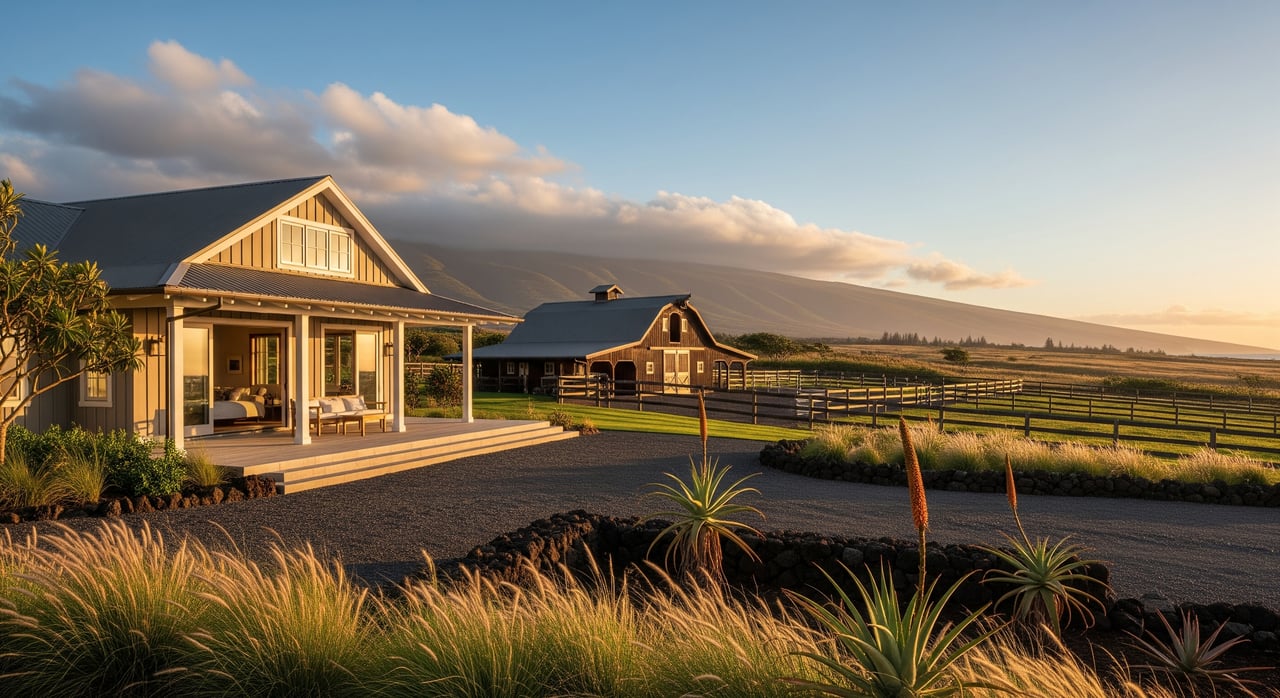
Hawi Ranch Lifestyle Features North Kohala Buyers Love
Dreaming of green pastures, ocean breezes, and room to roam on Hawai‘i Island? If Hawi and North Kohala are on your list, you’re in the right place. Buying acreage here is different from other ranch areas because microclimates, wind, and water access vary block by block. In this guide, you’ll learn the features that truly matter for a small-ranch lifestyle in Kohala, what to expect day to day, and how to vet a property with confidence. Let’s dive in.
North Kohala stretches across diverse microclimates shaped by the Kohala mountain and trade winds. You’ll find drier, wind-exposed coastal uplands and wetter inland slopes within a short drive of each other. This variation affects pasture growth, soil depth, and how well your land holds water.
Hawi is a small town with limited local services for large animals and equipment. You can get essentials, but specialized supplies, veterinary care, hay, and major repairs often require travel to larger centers. Understanding this context helps you prioritize the right property features from the start.
When buyers say “usable pasture,” they mean contiguous, gently sloped ground with good drainage, established forage, and easy access to water and shade. Look for even soil depth, minimal erosion, and access tracks that won’t tear up fields during wet spells. Two neighboring parcels can support very different herds, so judge pasture quality, not just acreage.
Rotational grazing is common in Kohala to match seasonal growth. Plan for rest periods and occasional reseeding to improve forage. Usable pasture area, not raw acreage, drives your stocking potential.
Water is often the single most limiting factor for livestock and irrigated pasture. Confirm the source on a parcel-by-parcel basis, whether it is a county meter, a permitted well, or roof catchment with cisterns. Ask about reliability through dry and wet seasons and note on-site storage capacity and how water moves across the property.
For planning, cattle commonly need about 10 to 20 gallons per day, horses about 5 to 10 gallons, with smaller stock using less. Storage tanks, reliable pumps, pressure systems, and backup power keep daily care consistent. Redundancy matters in windy, variable weather.
Well-ventilated barns and covered work areas make daily routines easier and protect your investment. Prioritize dry hay storage with rodent protection, a secure tack or feed room, and a small shop space for basic repairs. A covered handling area with a squeeze chute or headgate reduces stress on animals and people.
In windy Kohala, orientation and simple windbreaks extend building life and improve comfort. Place structures where they sit on the leeward side of prevailing winds when possible.
Fence condition often becomes your first major expense. Common options include field or woven wire, high-tensile wire for large paddocks, barbed wire or pipe for cattle, and electric lines for temporary grazing. Salt air, strong sun, and wind speed up corrosion, so durable materials and solid corner braces pay off.
Corrals, alleyways, and gates should allow safe movement and loading without bottlenecks. Walk the fence lines, check tension and post rot, and note gate width for trailers and equipment.
Shade and wind protection are essential for livestock comfort. Natural trees or constructed shade work well, but confirm your tree species are safe for grazing animals. Place loafing sheds, barns, and water troughs on leeward sides to reduce weather stress and daily labor.
A compact layout with paddocks near water, handling areas, and the farmstead saves time. Design choices that cut steps each day make a small-ranch lifestyle more practical.
Topography determines how much of your acreage is truly usable. Steeper slopes, lava rock outcrops, gullies, and brush reduce effective pasture. Road placement should support hay deliveries, animal hauling, and equipment movement without harming fields.
Verify road surfaces, seasonal conditions, and who maintains private or unimproved access roads. Access affects insurance, utilities, and your daily routine.
Soil depth, drainage, and fertility drive forage productivity and guide your management plan. Know the invasive weeds and brush species present on the property and the maintenance they require. Local extension resources and experienced producers can help you match pasture species to your microclimate and your animals.
Expect short daily checks for water, feed, and fences, with regular pasture rotation and occasional health checks. Seasonal tasks include reseeding or resting pastures, fence repairs, equipment maintenance, and water-system upkeep. Good scheduling and a practical layout keep costs and time under control.
Island freight increases the per-unit cost of feed, equipment, and parts. Hay and bulk feed availability can be seasonal, so plan deliveries and consider on-farm forage supplements. Travel to larger centers for specialized vet care or repairs adds time and fuel to the budget.
Large-animal veterinary services are limited in North Kohala. Prepare for hauling logistics and emergency contingencies. Follow animal movement and disease regulations and maintain basic biosecurity to protect your herd.
On sloped ground, pay attention to drainage and erosion control. Maintain vegetative cover, build buffers where needed, and monitor areas prone to gullying or inundation. Some parcels include conservation easements or sensitive habitat, so understand any restrictions before you plan improvements.
Many small-ranch owners rely on family help, seasonal labor, or local contractors. Community organizations and local producers are valuable for knowledge and occasional support. Having a trusted local network makes ownership smoother.
A ranch lifestyle in Hawi and North Kohala is as rewarding as it is unique. Focus on the essentials that matter here: water reliability, truly usable pasture, durable fencing and handling systems, and a layout that reduces daily labor. With the right due diligence and a clear plan, you can create a property that works with the land and the climate.
If you are exploring acreage or an estate property in North Kohala, personalized guidance makes all the difference. For local insight and a refined, hands-on approach to property selection and presentation, connect with Deborah Thompson. Let’s talk about your goals and map the path forward.
Deborah derives great satisfaction from fulfilling clients' aspirations by connecting them with their ideal homes. She endeavors consistently to cater to the requirements of both buyers and sellers.

DEBORAH THOMPSON
65-1279 KAWAIHAE RD SUITE #104 KAMUELA HI 96743